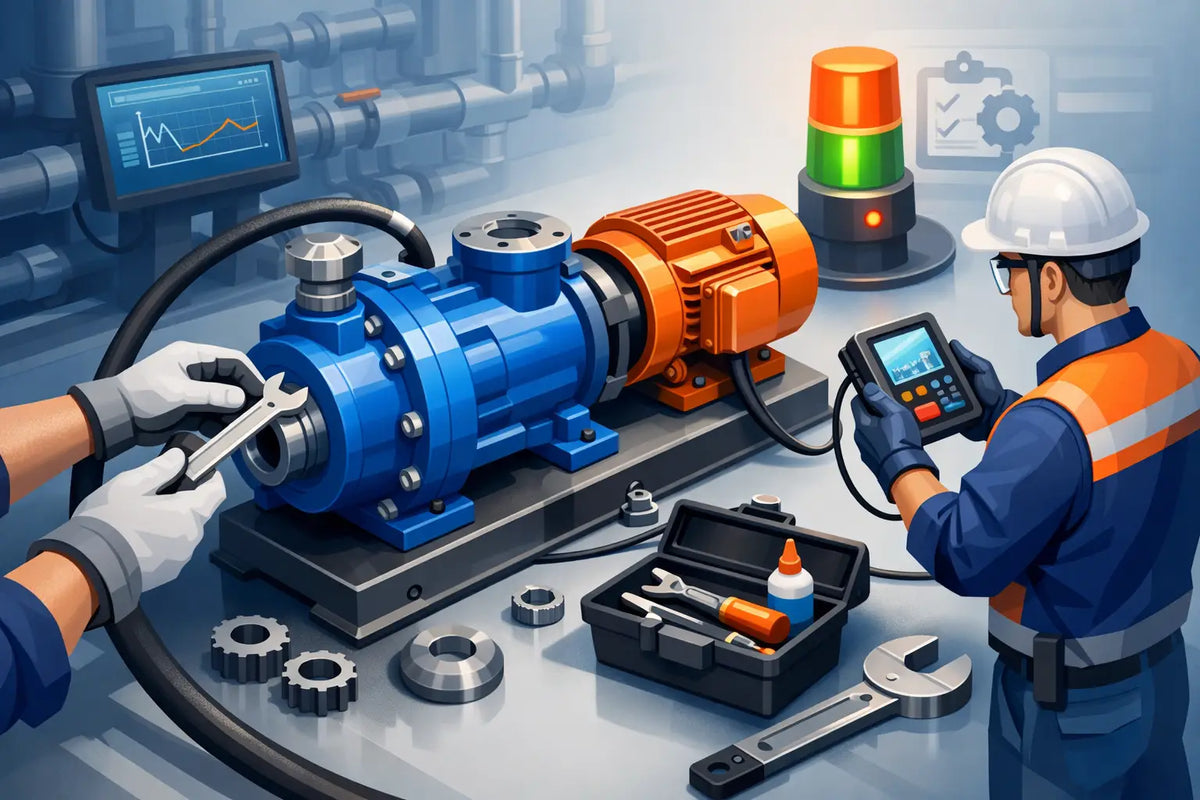


A compact excavator that can trench beside an occupied office, work inside a warehouse, or start before daylight without filling the area with diesel exhaust changes more than the operator's comfort. The future of electric excavators is being shaped by jobs where noise, emissions, and access are becoming real bid requirements - not just marketing points.
For contractors, landscapers, utility crews, rental operators, and property maintenance teams, the question is no longer whether electric excavators can move dirt. They can. The better question is where an electric machine earns its keep, what it demands from the jobsite, and when diesel still makes more operational sense.
Why Electric Excavators Are Gaining Ground
Electric excavators are most compelling in the compact category. Mini and micro excavators already handle work that is close to people, buildings, sidewalks, finished landscaping, and utilities. Those same jobs often benefit from lower sound levels and zero tailpipe emissions at the point of use.
Indoor demolition, basement excavation, municipal work, airport maintenance, greenhouse projects, food facilities, hospitals, campuses, and dense residential construction are strong fits. In these environments, reducing exhaust can eliminate ventilation concerns, while a quieter machine makes communication easier for the crew and causes less disruption for nearby tenants or homeowners.
Electric power also changes the operating feel of the machine. Electric motors deliver torque immediately, which supports smooth travel and responsive hydraulic operation. There is no diesel engine idling while the operator waits on a truck, checks grade, or repositions materials. Fewer moving parts can also reduce routine service needs compared with a conventional engine, especially around oil changes, fuel filters, belts, and emissions components.
That does not mean every electric excavator will be cheaper to own. Purchase price, battery capacity, charging equipment, utilization rate, and local electricity costs all matter. But on the right job, less fuel use and less routine engine maintenance can make the numbers work.
The Future of Electric Excavators Depends on Charging
Battery performance gets most of the attention, but charging planning will decide whether an electric excavator is productive or parked. A machine with enough runtime for a typical shift is valuable only if it can be charged reliably between shifts or during scheduled downtime.
For a contractor working from a fixed yard, the answer may be straightforward: return the excavator at the end of the day, connect it to a properly sized charger, and begin the next shift with a full battery. A fleet serving multiple locations has a harder calculation. Crews may need access to 240-volt power, portable charging solutions, charging trailers, or jobsite electrical service installed before the machine arrives.
Fast charging can help, but it is not a free pass. It may require more site power, more expensive equipment, and disciplined scheduling. Charging during lunch only helps if the machine is already parked and the crew can finish the day with the remaining battery. Buyers should ask for real operating-hour estimates under load, not only best-case runtime figures.
Match Battery Size to the Work Cycle
A compact excavator digging soft soil with occasional travel will draw power differently than one running a hydraulic breaker, working steep grades, loading trucks continuously, or operating in cold weather. Attachments matter. So do operator habits.
Before buying, look at actual machine hours, idle time, travel distance, attachment use, and access to electricity at each type of job. If the machine normally works four to six focused hours per day near available power, electric may fit well. If it runs long shifts on remote utility corridors with no dependable power source, diesel remains the practical choice for now.
Where Electric Machines Deliver the Best Value
Electric excavators are not a blanket replacement for diesel. They are a targeted equipment decision. The strongest return usually comes from work where their advantages are used every day rather than occasionally.
A contractor doing interior tear-outs and foundation work may win more bids by offering a low-emission option. A landscaping company working in high-end residential neighborhoods may reduce noise complaints and gain more usable working hours. A facility team may be able to complete work indoors without setting up elaborate exhaust ventilation.
There is also a fleet-management benefit. An electric compact excavator can be assigned to jobs that do not require diesel capability, preserving diesel equipment for remote sites, heavy continuous digging, and high-demand attachment work. This is not about replacing every machine in the lineup. It is about putting the right power source on the right work.
For buyers comparing compact excavators, the basic machine still matters. Digging depth, bucket breakout force, lifting capacity, hydraulic flow, track width, tail swing, cab access, and attachment compatibility should remain at the center of the purchase. Battery power does not make up for an undersized undercarriage or a machine that cannot handle the required bucket, auger, grapple, or breaker.
The Limits Contractors Need to Plan Around
Electric equipment brings real trade-offs. Upfront costs can be higher than comparable diesel models. Battery packs are expensive components, and replacement costs need to be part of the long-term ownership discussion. A buyer should also confirm battery warranty terms, expected service life, charging requirements, and parts support before committing.
Cold weather is another factor. Batteries can lose effective runtime in low temperatures, while frozen ground and heavier winter work can increase the load on the machine. Operators should expect a different operating plan in northern climates, especially when jobs require maximum digging force for long periods.
Weight can also change transport and ground conditions. Battery systems add mass, which may help stability in some cases but can affect trailer selection, transport limits, and soft-ground performance. Verify operating weight with the bucket and any commonly used attachments installed.
Then there is the practical question of uptime. Diesel fuel can be delivered almost anywhere. Electrical service cannot. A contractor who works across rural sites, undeveloped lots, and emergency repair locations needs a charging plan that is as dependable as the machine itself. For many businesses, that means keeping a mixed fleet instead of trying to force electric equipment into every application.
What Buyers Should Ask Before Ordering
A strong electric excavator purchase starts with job data, not a showroom claim. Buyers should ask the supplier or manufacturer for runtime estimates based on the intended work cycle, the charger type and input power required, expected charging time, and the machine's performance with planned attachments.
It is also smart to confirm whether local dealers or service partners can handle diagnostics, battery support, and parts. Compact equipment earns money when it is working, and a machine that sits waiting for specialized service can erase the savings from lower fuel and maintenance costs.
For equipment purchasers building out a shop, landscape fleet, or construction operation, consider the full package. That includes buckets, couplers, hydraulic attachments, trailers, charging access, and transport weight. At 5 Star Tools, compact excavator buyers should evaluate these working details with the same care they use when selecting a frame machine, lift, or hydraulic pulling package: capacity first, complete setup second, and dependable daily use always.
What Comes Next for Electric Excavators
The next stage will not be one dramatic leap. It will be steady improvement in battery density, charging speed, thermal management, machine controls, and fleet monitoring. Contractors will also see more pressure from project owners and municipalities to reduce noise and emissions in sensitive areas.
As charging access expands, electric excavators will become easier to place on repeatable urban, commercial, and indoor jobs. Rental fleets may play a major role because they can give contractors a way to test the technology before committing capital to a dedicated unit. That matters for owner-operators who need proof from their own jobs, not a brochure.
The smartest move is to treat electric power as another capability to deploy, not a trend to chase blindly. Put an electric excavator where quiet operation, clean air, and predictable charging improve the job. Keep diesel where distance, runtime, and remote access still demand it. The crews that make that call based on their actual workload will be ready when the market shifts from early adoption to everyday equipment planning.